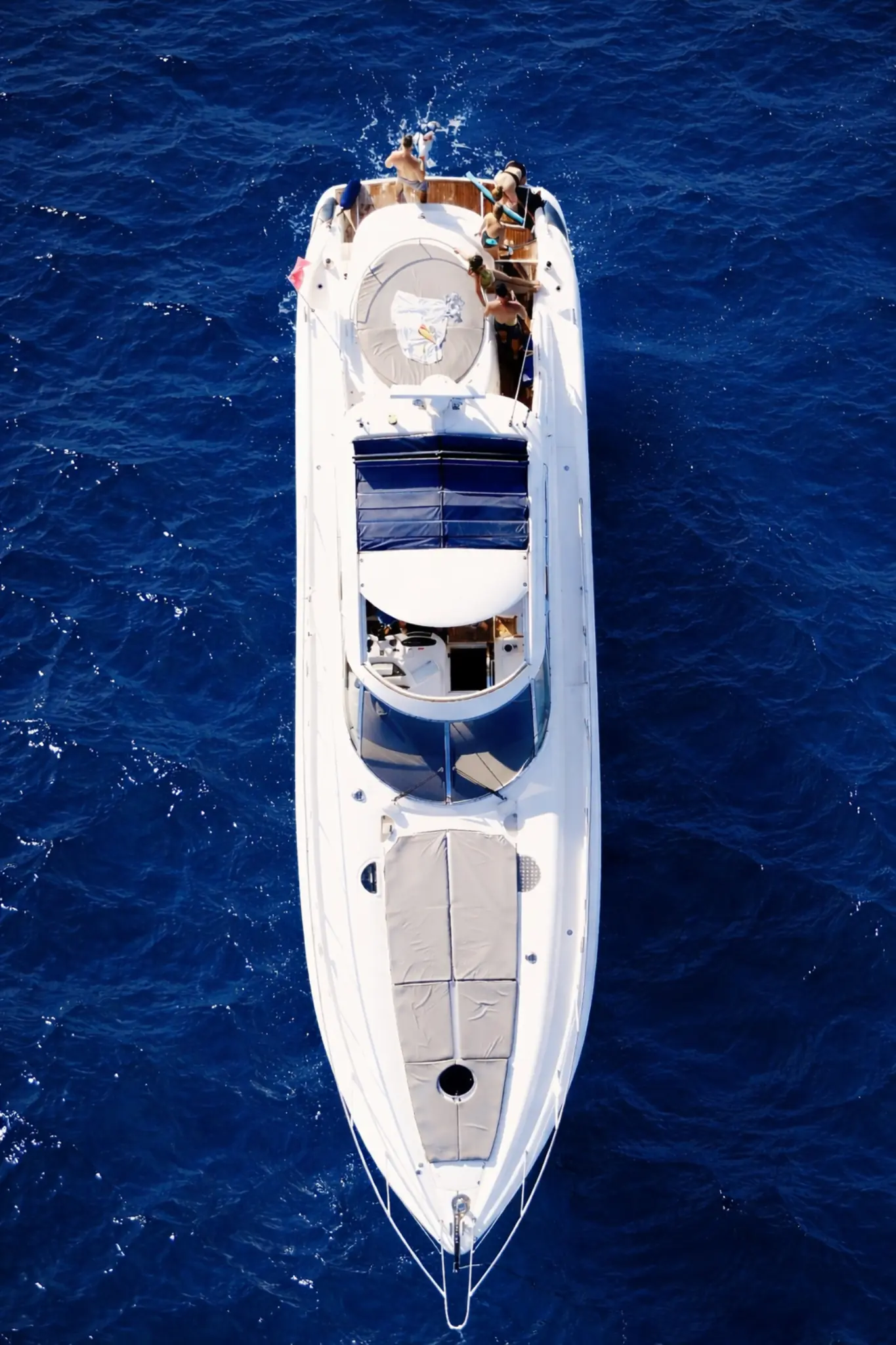
Charter fleet acquisitions fail differently than private ones. Private buyers usually discover their regrets in how the vessel suits personal use. Operators discover theirs in unit economics, crewing friction, and how the vessel fits alongside the rest of the fleet over a full season.
Those failures are usually preventable in the months before acquisition.
Start with the Envelope
Every charter program has a commercial envelope: cruising grounds, guest capacity mix, seasonal utilization expectations, and crew economics. That envelope decides whether a vessel under evaluation is a fleet addition or a fleet distraction.
Operators who acquire outside their envelope tend to find that the vessel underperforms on utilization or requires crew and maintenance economics that do not scale with the existing program.
Regulatory Fit Before Commercial Terms
Flag state, classification society, commercial coding, and jurisdictional compliance are not closing items. They are the first filter on the evaluation.
A vessel that is well-priced but awkwardly flagged for the intended cruising pattern is usually not worth the re-flag cost and delay.
Lifecycle, Not Acquisition Price
Acquisition price is one input. Over a typical charter-operated holding period, maintenance cadence, refit reserve, crew economics, and eventual disposal price dominate the return profile.
The most common quiet mistake is under-reserving for refit. A vessel with two strong seasons can still consume unplanned capital at the five-year mark if refit reserve was not structured into the acquisition economics.
Crew as a Strategic Variable
Crew is rarely discussed at the acquisition stage but is one of the largest determinants of charter success. The vessel defines the crew profile required, and that profile defines both cost and availability.
In tight crew markets, a vessel that requires an unusual crew configuration may underperform simply because it cannot be crewed consistently.
Disciplined Addition
Charter operators who compound returns over time treat fleet addition as an underwriting decision: envelope, risk-adjusted return, compatibility with existing positions, and exit profile at disposal.
The exciting vessels and the right vessels are not always the same.
Where Charter Acquisition Models Most Often Break
The patterns below are where models written under enthusiasm break under operating reality.
Unrealistic charter-income assumptions. A new vessel quoted on full-season utilization at peak weekly rates is nearly always quoted ahead of what the program will deliver. Use a discounted utilization band rather than the brochure number; the difference compounds over the holding period.
Crew and compliance costs in the operating model. Commercial coding requires a crew profile, a documentation regime, and an inspection cadence the private side does not require. The line items are knowable in advance; they are also the lines most often left out of acquisition models.
Vessel suitability for commercial use. Not every vessel that can carry guests should be put into a commercial program. Hull form, deck layout, water-toy storage, crew accommodations, and tender capacity all affect the charter the program can credibly offer.
Utilization assumptions across a season. Weather, mechanical, and crew-availability days all reduce realized utilization. Operators who model utilization on calendar weeks rather than charter-ready weeks are using the wrong denominator.
Operating-model risk. A program built on the assumption of a single anchor charter, a single regulatory regime, or a single crew profile carries concentration risk that is invisible until something changes. The best operators diversify across all three before the program is forced to.